My Store
Bowltube Iris Seeds
Bowltube Iris Seeds
Couldn't load pickup availability
Bowltube Iris Seeds: 20 Seeds Per Package
(Iris macrosiphon)
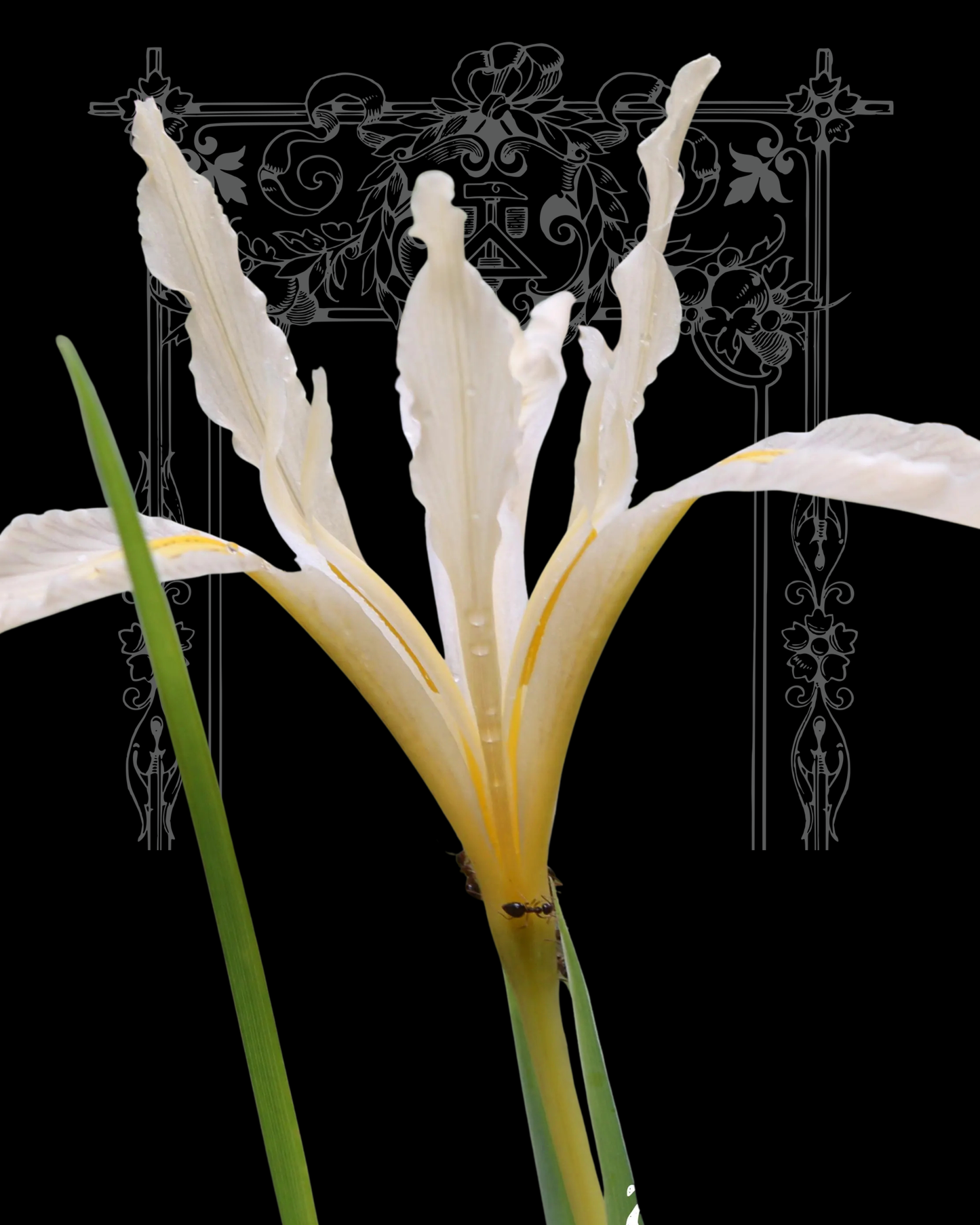
Iris macrosiphon (Bowltube Iris) — commonly called bowltube iris or long‑tubed iris — is a bulbous/cormous, clump‑forming perennial native to the west coast of North America (notably California and southern Oregon), where it occurs in open woodlands, grasslands, and chaparral. Valued for its delicate, bowl‑shaped iris flowers in shades of blue, purple, and sometimes cream, it’s a fine choice for native‑plant, rockery, meadow, and naturalistic garden settings. (Seeds — 20 per package.)
Site it in full sun to part shade; in hotter inland sites morning sun with afternoon shade is beneficial. Iris macrosiphon prefers very well‑drained soils (sandy, gritty or rocky loams) with low to moderate fertility and a neutral to slightly acidic pH. Excellent drainage is essential because plants go summer‑dormant and are prone to rot in heavy, waterlogged soils. Once established they are drought‑tolerant and do well in lean, well‑drained sites.
Seeds benefit from a period of cool, moist stratification: surface‑sow or press seeds lightly into a gritty, well‑draining mix and refrigerate sown trays for 8–12 weeks (or sow outdoors in autumn for natural chilling). Irises germinate slowly and irregularly — expect germination over weeks to a few months and allow multiple seasons for seedlings to develop into flowering bulbs/corms; some growers transplant young corms after 1–2 seasons. Alternatively, established clumps are most reliably increased by division of bulbs/corms in the dormant season.
Plants typically produce flowering stems about 6–18 inches (15–45 cm) tall with a clumping spread of roughly 6–12 inches (15–30 cm); space plants about 6–12 inches apart to allow clump development and airflow. Bowltube iris is primarily grown as an ornamental for spring displays in rock gardens, native borders, and meadow drifts; flowers make attractive short‑term cut stems but are not commonly used for long‑lasting dried arrangements.