My Store
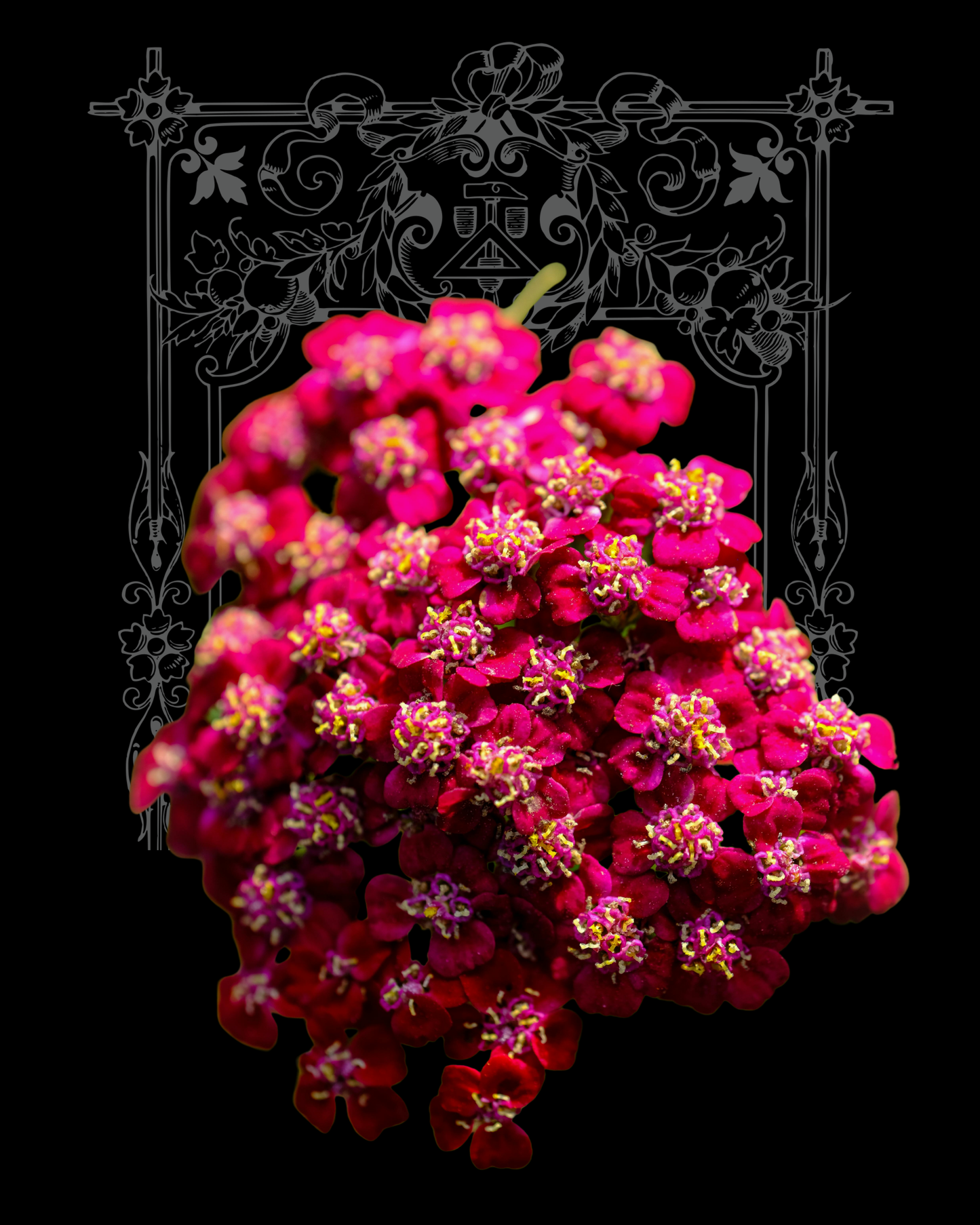
Ruby Yarrow Seeds
Ruby Yarrow Seeds
Couldn't load pickup availability
Achillea millefolium rubra
Ruby Yarrow Seeds
Seeds per Package: 100
Achillea millefolium ‘Ruby Yarrow’ (common yarrow) — also called milfoil, soldier’s woundwort, noble yarrow, sanguinary, nosebleed, bloodwort, devil’s nettle, thousandleaf, old man’s pepper, and carpenter’s weed — is a hardy, herbaceous perennial native across temperate regions of the Northern Hemisphere, including much of North America, Europe, and Asia. It occurs from Alaska to Mexico and is widely naturalized throughout the continent.
This clump-forming plant spreads by underground rhizomes, dies back in winter, and returns each spring. It blooms from spring through fall, tolerates drought once established, and grows best in full sun. Yarrow is hardy in USDA zones 3–9.
Seedlings need consistent moisture, but mature plants prefer well-drained, sandy or gravelly soil with low to average fertility and a slightly acidic to neutral pH (about 5.5–6.8). Excellent drainage is essential to prevent root rot; overly rich or moist soils encourage weak, floppy growth and fewer flowers. If needed, apply a thin layer of compost or a light, balanced slow‑release fertilizer in early spring. Over-fertilizing should be avoided.
Sow seeds on the surface of moist, well-draining seed‑starting mix 8–10 weeks before the last frost; they require light to germinate and typically sprout in 10–14 days. Cold stratification for 2–4 weeks can improve germination rates but isn’t strictly necessary.
Yarrow is a top-tier companion plant: it attracts beneficial insects (ladybugs, hoverflies, parasitic wasps) and helps deter pests such as aphids. It pairs well with Mediterranean herbs like lavender, rosemary, thyme, and sage, and with vegetables such as onions, tomatoes, and cucumbers.
An excellent and long-lasting cut flower, yarrow has stiff stems, a range of colors (white, yellow, pink, red, terracotta), and a vase life of 3–14 days. It also dries and presses exceptionally well — hang small bundles upside down in a dark, dry, ventilated area to preserve shape and color (yellows retain brightness best; pinks age to a dusty rose). Its flat-topped clusters make it a favored filler for fresh bouquets, dried arrangements, wreaths, and pressed-flower art.