My Store
Double Click Cranberries Cosmo Seeds
Double Click Cranberries Cosmo Seeds
Couldn't load pickup availability
Cosmo Double Click Cranberries
Cosmos bipinnatus
Seeds per Package: About 20
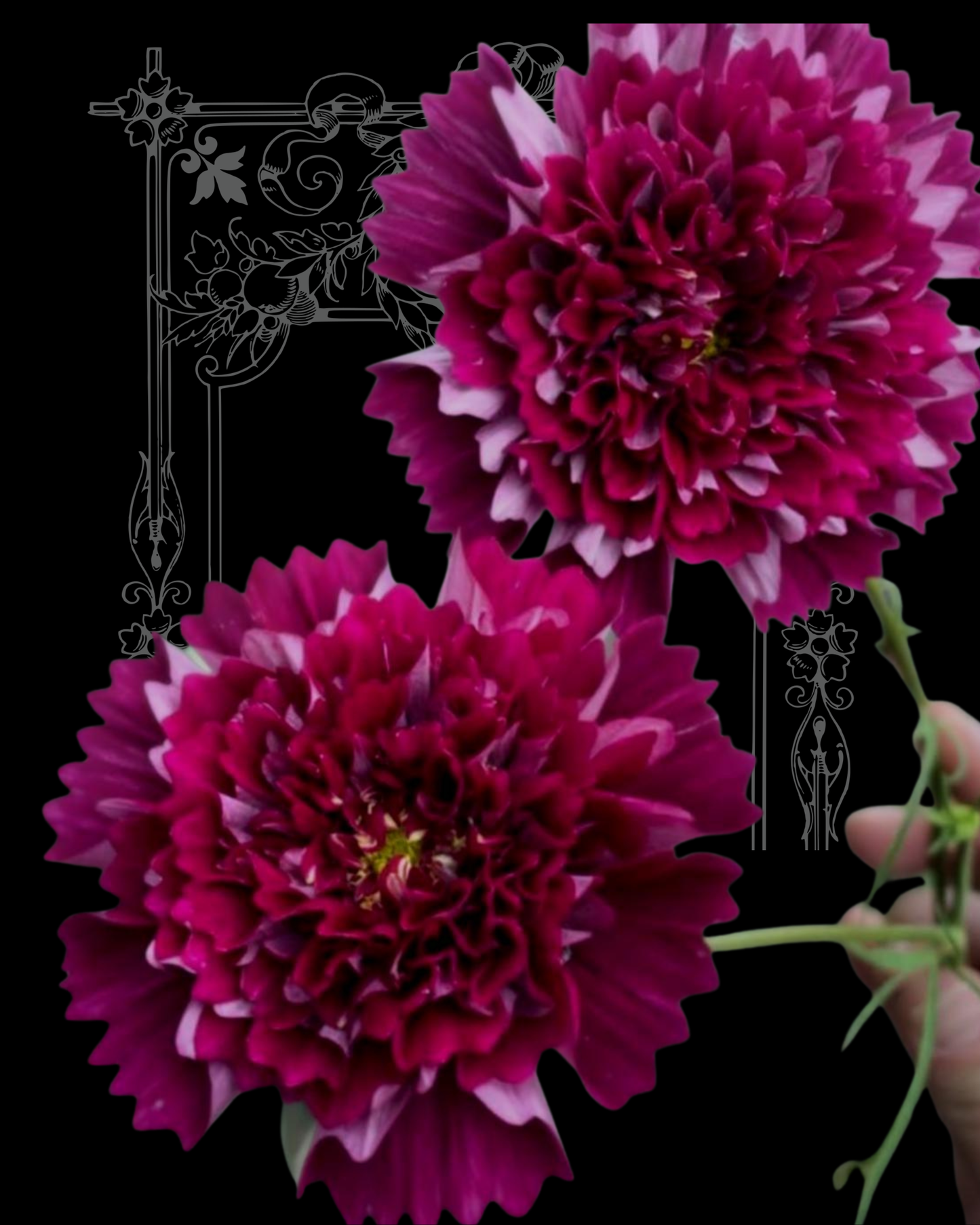
Cosmos bipinnatus ‘Double Click Cranberries’ (Double Click Cranberries cosmos) is an annual garden favorite selected for its compact habit and abundant, fully double to semi‑double blooms in rich cranberry‑to‑rose tones above fine, ferny foliage. Native to Mexico, this cultivar offers season‑long color from midsummer to the first frost and is especially useful where a fuller, fuller‑flowered cosmos is desired in beds, containers, and cutting gardens.
Grow ‘Double Click Cranberries’ in full sun for best flowering and a sturdy, compact habit; it tolerates light afternoon shade but will produce fewer blooms in shade. It prefers well‑drained soil from average loam to sandy mixes and performs well in leaner soils—avoid heavy, high‑nitrogen fertility that encourages lush foliage at the expense of flowers. Regular watering during establishment helps, then plants tolerate moderate drought once established. A light side‑dressing of compost or balanced fertilizer at planting can boost performance without causing legginess.
Seeds need light to germinate, so surface‑sow or barely cover them. Start indoors 3–4 weeks before the last frost for an earlier display or direct‑sow after the danger of frost when soil has warmed; expect germination in about 7–14 days at warm temperatures. No cold stratification is required. Succession sowing every few weeks extends the bloom season; harden off transplants before planting outdoors.
Plants typically reach 18–36 inches (45–90 cm) tall with a 12–24 inch (30–60 cm) spread depending on fertility and spacing—space about 12–18 inches (30–45 cm) apart to allow airflow and show the feathery foliage. As an annual, it completes its lifecycle in one season but may self‑sow in favorable sites.
‘Double Click Cranberries’ is excellent for fresh cutting—double blooms add fullness to bouquets—and it attracts bees, butterflies, and beneficial insects. While not commonly used for long‑term drying or pressing, its long bloom period and rich color make it a standout in mixed borders, pollinator plantings, and cottage‑style gardens.