My Store
Lemon Queen Sunflower Seeds
Lemon Queen Sunflower Seeds
Couldn't load pickup availability
Lemon Queen Sunflower Seeds – 50 Seeds
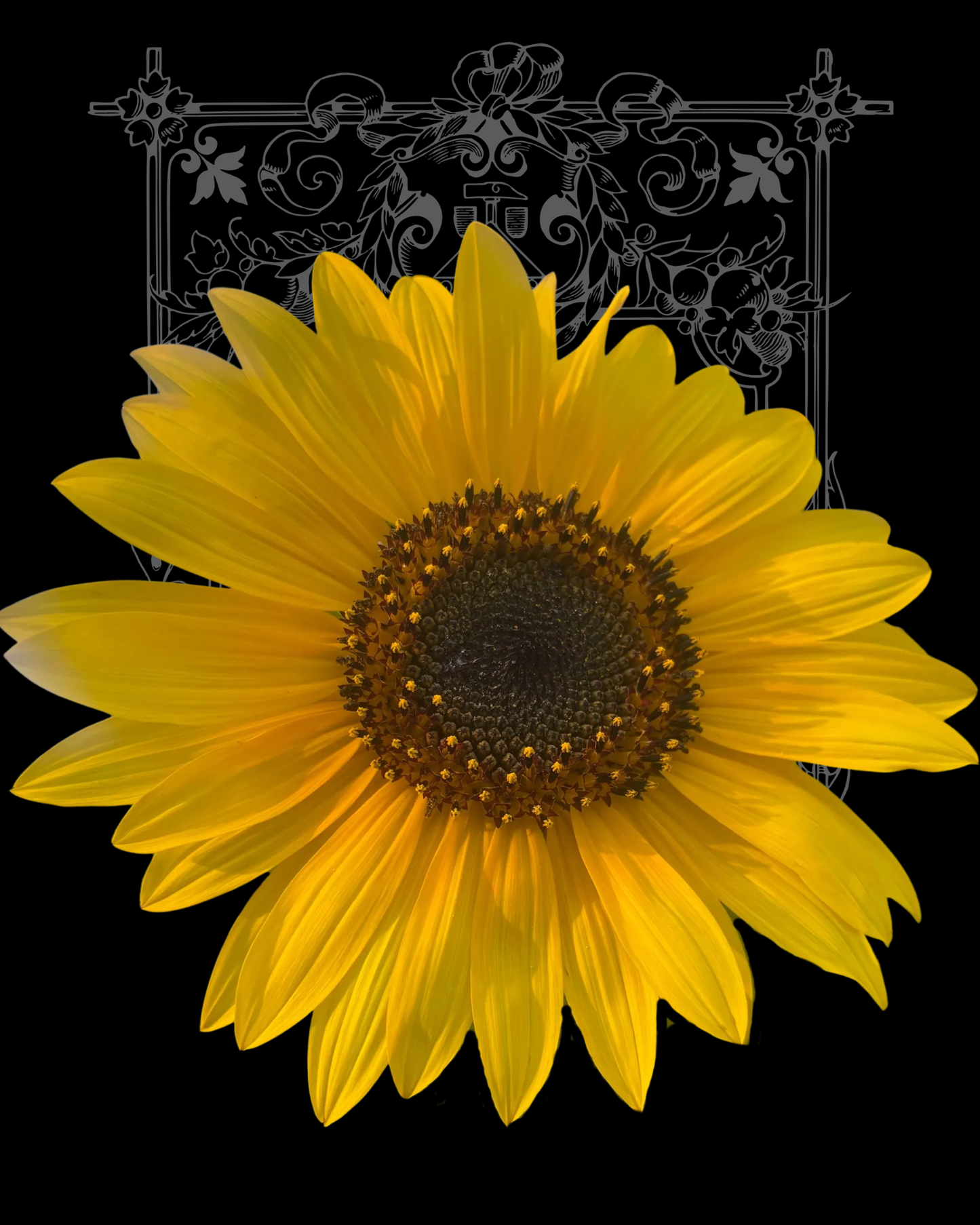
Helianthus annuus ‘Lemon Queen’ (Lemon Queen sunflower) is a classic annual sunflower cultivar valued for its profusion of soft, pale‑lemon to buttery‑yellow single blooms with contrasting brownish centers. Like other H. annuus, it’s native to North America and is a dependable, long‑blooming choice for production beds, cutting gardens, pollinator plots, and large mixed borders.
Plant Lemon Queen in full sun for best stem strength and bloom production. It prefers fertile, well‑drained garden soil—amend heavy clay with compost for improved texture—and benefits from consistent moisture while establishing and during bud set; avoid waterlogged conditions. A light side‑dressing of balanced fertilizer at planting and again at bud formation helps produce large heads and sturdy stems without encouraging excessive leafy growth. Provide staking for taller plantings or in windy sites.
Seeds germinate readily with warmth and light: direct‑sow outdoors after the danger of frost when soil has warmed, or start indoors 2–4 weeks before last frost to get an earlier crop. Sow about 1/2–1 inch (1–2 cm) deep and keep the soil evenly moist; germination typically occurs in 7–10 days at warm temperatures. No cold stratification is required. Thin seedlings to the desired spacing rather than heavy transplanting to avoid root disturbance.
Mature plants commonly reach about 4–6 feet (120–180 cm) tall with a spread of 12–24 inches (30–60 cm); space plants roughly 12–24 inches apart depending on whether you want dense rows for cutting or more open specimens for borders. As an annual it completes its lifecycle in one season but will bloom heavily from midsummer until frost with regular deadheading or by allowing multiple flushes.
‘Lemon Queen’ is excellent as a fresh cut flower—long, straight stems and numerous heads make it a florist and garden‑cut favorite—and it also dries well for dried arrangements. While primarily ornamental, it attracts bees, beneficial insects, and seed‑eating birds later in the season, making it a valuable multifunctional addition to the garden.