My Store
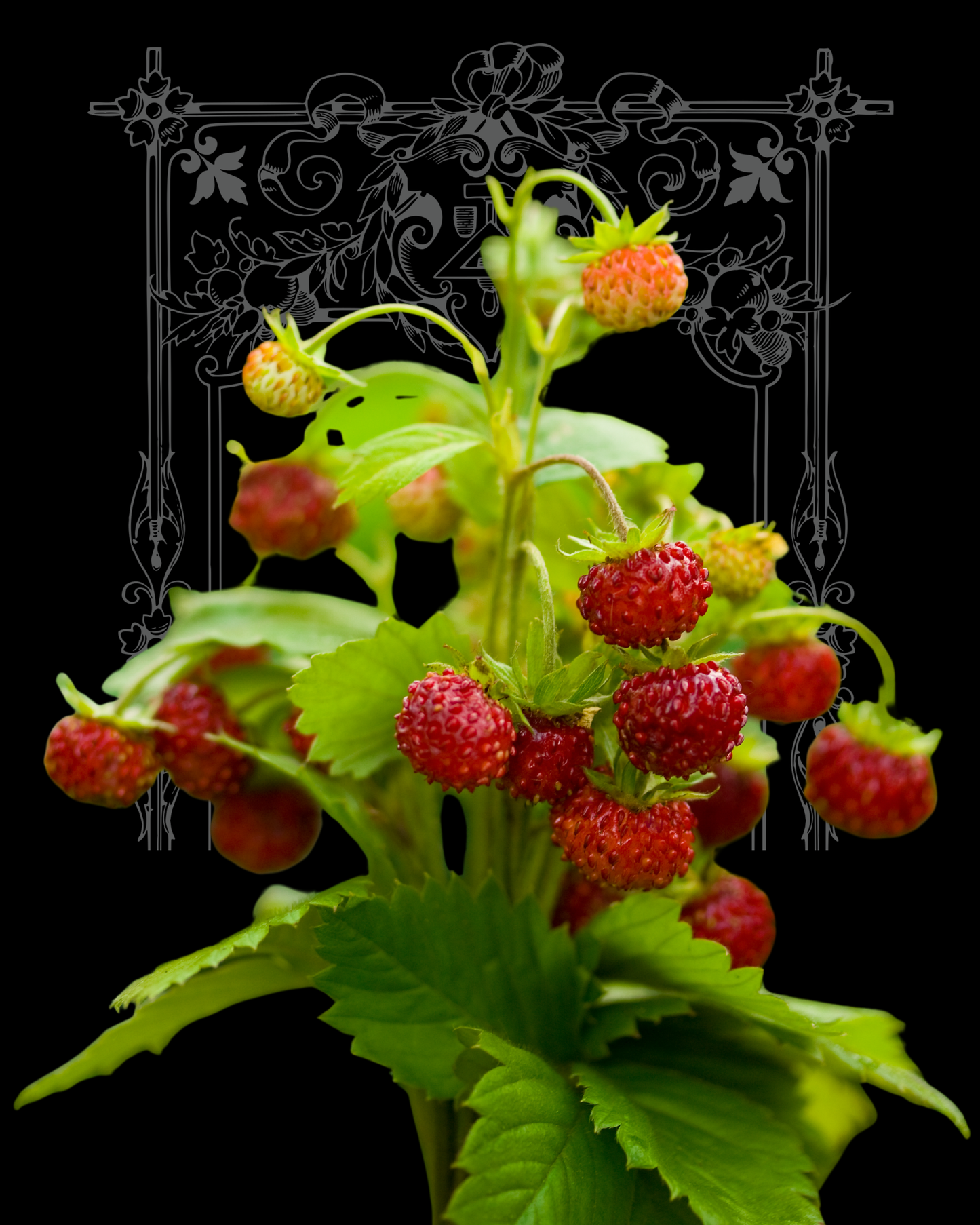
Mignonette Woodland Strawberry Seeds
Mignonette Woodland Strawberry Seeds
Couldn't load pickup availability
Fragaria vesca – Woodland Strawberry Seeds – 50 Seeds
Fragaria vesca (woodland strawberry) is a small, stolon‑forming herbaceous perennial wild strawberry valued for its sweet, aromatic fruit, attractive trifoliate foliage, and low, spreading habit. Also sold as alpine or wild strawberry, it’s native across temperate regions of the Northern Hemisphere (Europe, Asia, and North America) and is commonly grown in woodland, cottage, and edible landscapes as a groundcover or low fruiting patch. (Seeds.)
Plant woodland strawberry in part shade to full sun — fruiting is best with several hours of sun, while morning sun with afternoon shade is ideal in hot climates to protect foliage and prolong bloom. It prefers fertile, well‑drained loam rich in organic matter with a slightly acidic to neutral pH; avoid waterlogged soils. Mulch helps retain moisture and keeps fruit clean, while modest fertility (light compost or slow‑release fertilizer in spring) encourages steady growth without excessive runners.
Seeds require light and a period of cool, moist stratification to improve germination: surface‑sow or press seeds lightly into a fine, moist seed mix and refrigerate sown trays for 4–6 weeks (or sow outdoors in autumn for natural chilling). Start indoors 8–10 weeks before the last frost and keep temperatures cool for best results; expect germination in 2–4 weeks after warming, though rates can be variable. Transplants establish more quickly than seedlings; thin or transplant seedlings carefully to avoid root disturbance.
Mature plants form low mats about 4–12 inches (10–30 cm) tall with runners spreading the patch several feet over time; space plants 6–12 inches (15–30 cm) apart to allow runner formation and airflow. Woodland strawberry is hardy in a wide range of climates (commonly USDA zones 3–8 depending on provenance) and is long‑lived under suitable conditions.
Use woodland strawberry primarily for fresh fruit (excellent for snacking, desserts, and garnishes), as an attractive edible groundcover, in rockeries and container plantings, and in pollinator‑friendly designs. Flowers make charming short‑term cut posies; the plants are not typically used for drying or pressing.